
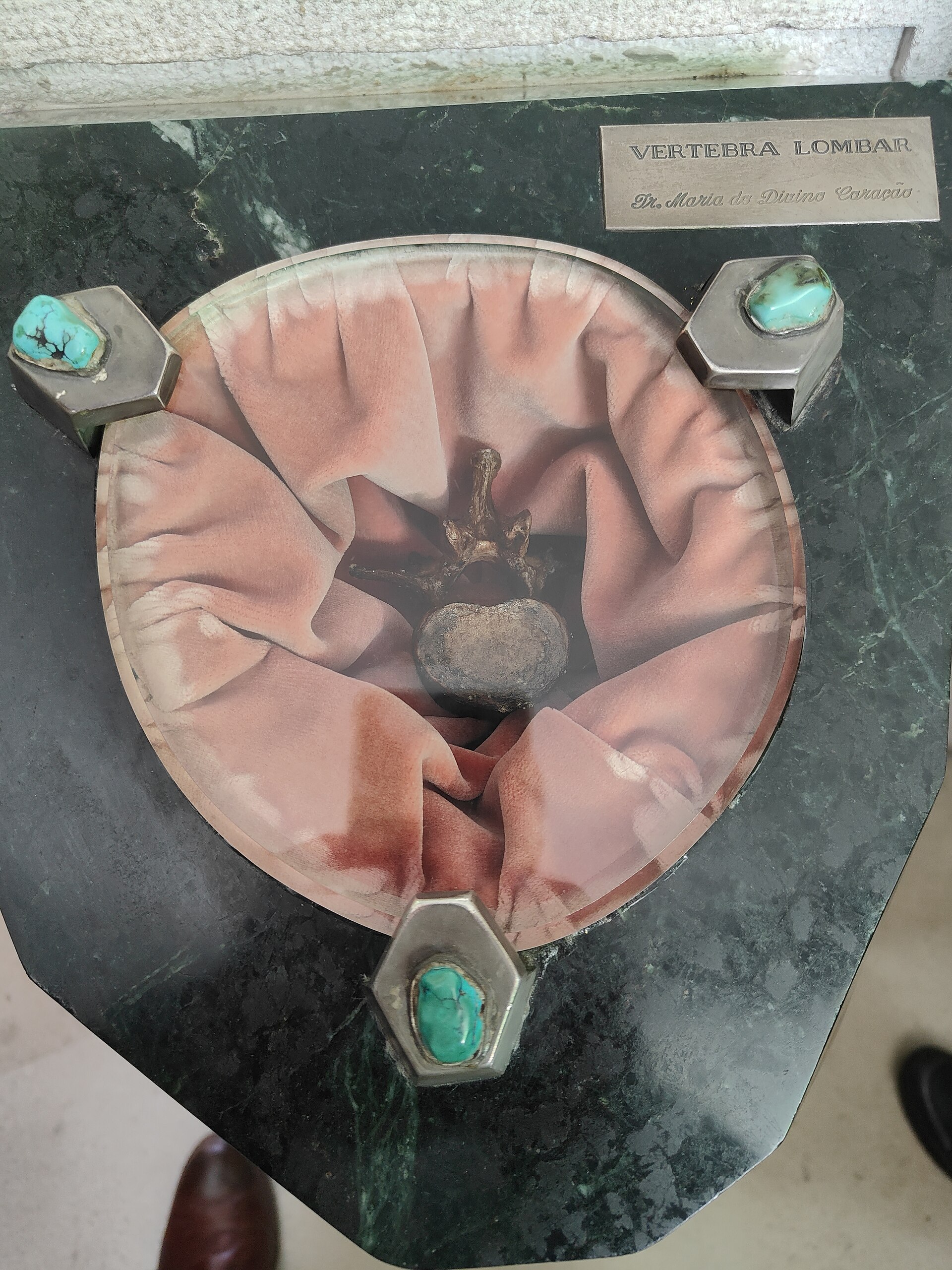
Photo · Raloni · Wikimedia Commons
Journal
Lumbar disc herniation, in plain language
A herniated lumbar disc can press on a nerve and send pain down the leg. The Alignment Clinic reviews what controlled studies have shown about waiting, and about surgery, without turning a scan into a verdict.

The Alignment Clinic and this problem
Discs sit between the vertebrae and cushion the low back. A herniation is a focal break in the outer ring, so the softer center can press on a nearby nerve. The familiar result is pain, numbness, or weakness in one leg. Many herniations shrink and never need an operation. A report that says herniation is a finding, not a plan.
What the researchers studied
A controlled study published in Spine in 1983 followed people with lumbar disc herniation for ten years. The Spine Patient Outcomes Research Trial, published in JAMA in 2006 and in Spine in 2008, compared surgery with nonoperative care for herniation with radiculopathy. A 2014 evidence-based guideline in The Spine Journal gathered the diagnosis and treatment research for lumbar disc herniation with nerve pain.
What they found
Longer observation has shown that a share of herniations quiet down. The randomized trial found improvement in both the surgery group and the nonoperative group, with a faster easing of leg symptoms after surgery for many people. The guideline treats the combination of symptoms, examination, and imaging as the basis for a recommendation. None of those papers say that every herniation on an MRI should be removed.
How The Alignment Clinic approaches this
History and examination come first. MRI confirms the fragment when the story is significant or when a procedure is on the table. Observation, therapy, and time are reasonable when strength is stable. Surgery takes the pressure off the nerve when that pressure explains a real problem and simpler care is not the better plan. Numbness can linger after the pain fades. That is common, and it is not a personal prediction.
What a visit can clarify
A visit separates a bothersome scan from a nerve that is under pressure. It is also where the choice between waiting and operating can be made with the actual images in hand. This note is general information and is not a personal treatment plan.
The papers behind this note
- SSpine · 1983Lumbar disc herniation. A controlled, prospective study with ten years of observation
- JJAMA · 2006Surgical vs nonoperative treatment for lumbar disk herniation: the Spine Patient Outcomes Research Trial
- SSpine J · 2014An evidence-based clinical guideline for the diagnosis and treatment of lumbar disc herniation with radiculopathy