
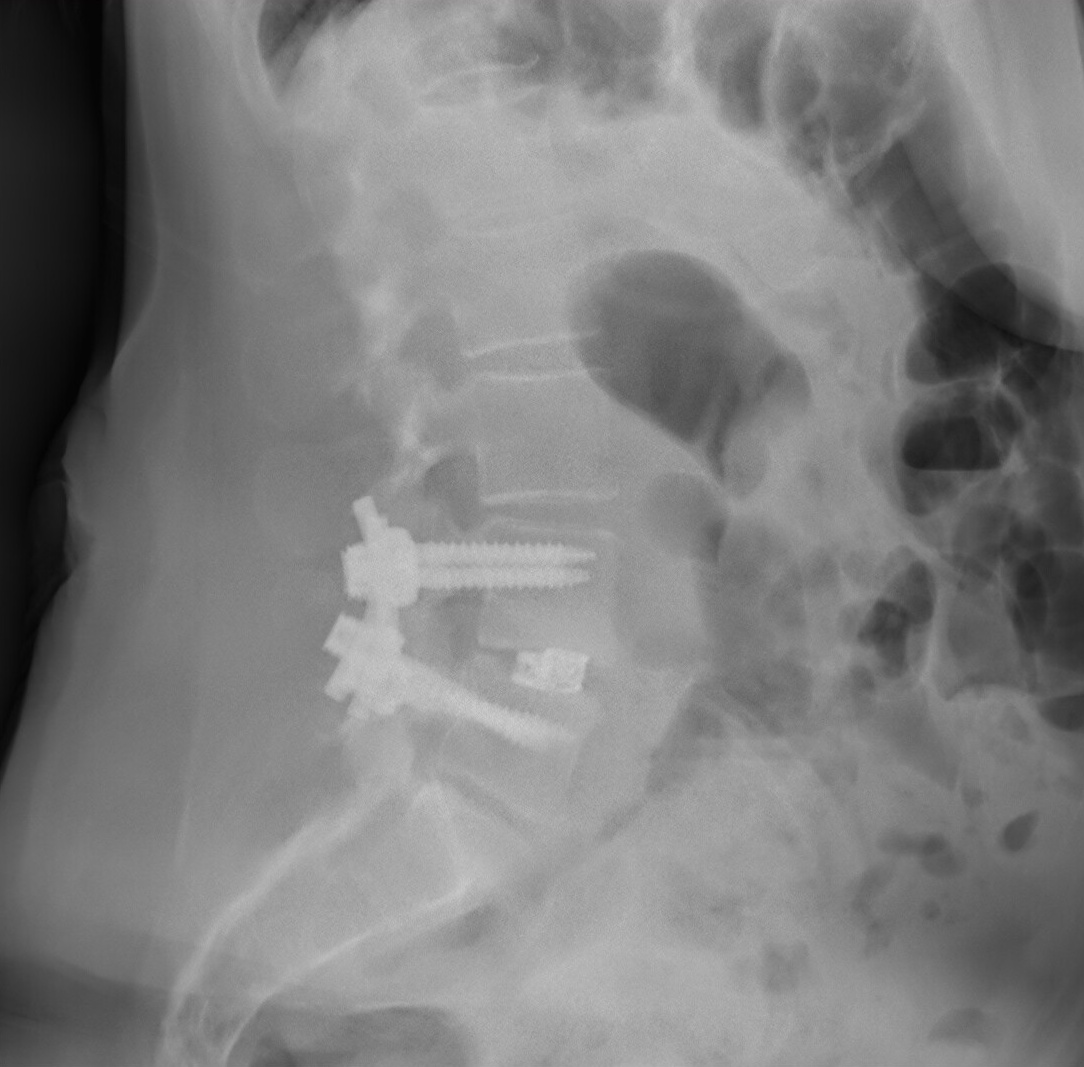
Photo · Jmarchn · Wikimedia Commons
Journal
Outpatient vs. Inpatient Lumbar Fusion: Insights from The Alignment Clinic
At The Alignment Clinic, we specialize in understanding the differences between outpatient and inpatient lumbar fusion procedures. This article explores recent research findings to help you make informed decisions about your spine health.

The Alignment Clinic and this problem
At The Alignment Clinic, we specialize in lumbar fusion procedures, which are often recommended for patients with degenerative spine conditions. One key consideration for patients is whether to undergo surgery in an outpatient or inpatient setting. Understanding the differences between these options can help you make informed choices about your treatment and recovery process. Recent studies have shed light on the outcomes and implications of both surgical environments, providing valuable insights for patients considering lumbar fusion.
What the researchers studied
Several recent studies have compared the outcomes of outpatient lumbar fusion surgeries with those performed in inpatient settings. For instance, a systematic review published in the Journal in 2020 analyzed the incidence of adjacent segment pathology following lumbar fusion procedures (Donnally et al., 2020). Another study published in the Journal in 2022 evaluated the impact of an Enhanced Recovery After Surgery (ERAS) protocol on minimally invasive lumbar fusion, focusing on recovery times and opioid use (Band et al., 2022). Additionally, research published in the Journal in 2024 examined the costs associated with outpatient versus inpatient spine surgeries (Federico et al., 2024), while another study looked at racial disparities in postoperative outcomes in these settings (Amen et al., 2024).
What they found
The findings from these studies indicate that outpatient lumbar fusion can be a safe and effective option for many patients. The 2020 systematic review found that adjacent segment degeneration occurred in about 27.8% of patients who underwent lumbar fusion, with a reoperation rate of 4.6% (Donnally et al., 2020). The 2022 study revealed that patients who followed an ERAS protocol experienced a significantly shorter hospital stay—1.6 days compared to 2.4 days for those who did not (Band et al., 2022). Furthermore, the 2024 study highlighted that outpatient procedures can lead to lower overall costs for Medicare beneficiaries compared to inpatient surgeries (Federico et al., 2024). Lastly, the 2024 study on racial disparities showed that these differences were less pronounced in the outpatient setting, suggesting that outpatient care may help reduce disparities in surgical outcomes (Amen et al., 2024).
How The Alignment Clinic approaches this
At The Alignment Clinic, we prioritize patient education and individualized care. We recognize that the decision between outpatient and inpatient lumbar fusion depends on various factors, including the patient's overall health, the complexity of the procedure, and personal preferences. Our team is committed to discussing these options with you, providing insights based on the latest research and your unique circumstances. We also incorporate protocols like ERAS to enhance recovery and minimize hospital stays when appropriate.
What a visit can clarify
During your visit to The Alignment Clinic, our specialists will evaluate your specific condition and discuss the potential benefits and risks of outpatient versus inpatient lumbar fusion. We will review your medical history, perform a thorough examination, and may recommend imaging studies to better understand your spine health. This comprehensive approach allows us to tailor our recommendations to your needs, ensuring you have all the information necessary to make an informed decision about your treatment.
This note is general information and is not a personal treatment plan.
The papers behind this note
- JJournal · 2020Current incidence of adjacent segment pathology following lumbar fusion versus motion-preserving procedures: a systematic review and meta-analysis of recent projections.
- JJournal · 2022Enhanced Recovery After Surgery Protocol in Minimally Invasive Lumbar Fusion Surgery Reduces Length of Hospital Stay and Inpatient Narcotic Use.
- JJournal · 2024Medicare procedural costs in ambulatory surgery centers versus hospital outpatient departments for spine surgeries.
- JJournal · 2020Early outcomes and safety of outpatient (surgery center) vs inpatient based L5-S1 Anterior Lumbar Interbody Fusion.
- JJournal · 2024Postoperative racial disparities following spine surgery are less pronounced in the outpatient setting.