
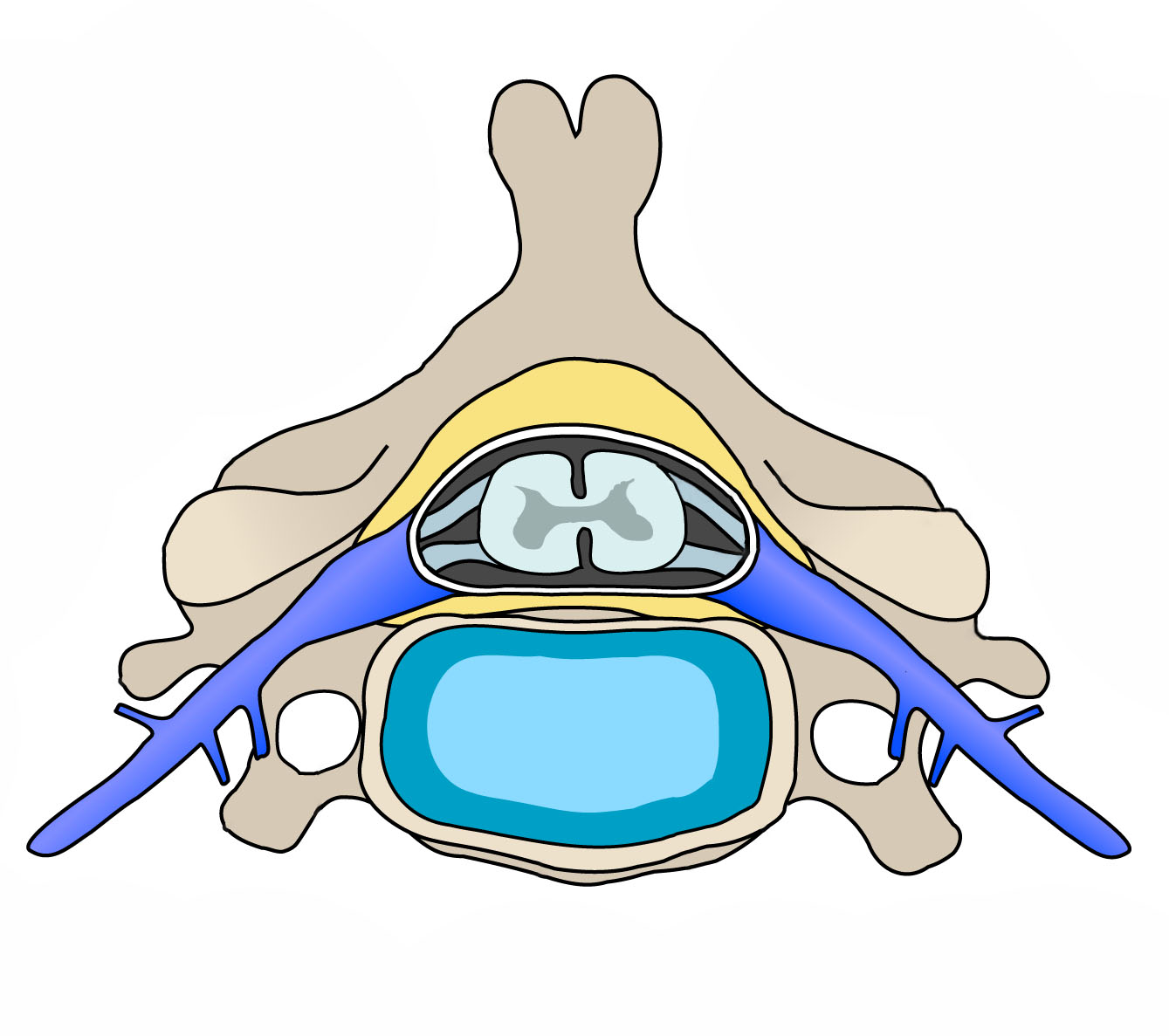
Photo · Andrewmeyerson · Wikimedia Commons
Journal
Understanding Cervical Sarcopenia and Its Impact on Outcomes
At The Alignment Clinic, we specialize in cervical sarcopenia, a condition linked to reduced muscle mass in the neck region. Research indicates that sarcopenia can significantly affect treatment outcomes in patients, particularly those with head and neck cancer. This note explores the latest findings on cervical sarcopenia, its assessment, and its implications for patient care.

The Alignment Clinic and this problem
At The Alignment Clinic, we specialize in understanding cervical sarcopenia, which refers to the loss of skeletal muscle mass in the neck area. This condition is particularly relevant for patients undergoing treatment for head and neck cancers, as it has been linked to poorer outcomes. Sarcopenia can manifest in various ways, and its assessment is crucial for tailoring effective treatment plans.
What the researchers studied
Recent studies have focused on how to accurately assess sarcopenia using imaging techniques. For instance, a systematic review published in the *Journal* in 2022 examined the use of different vertebral levels in CT scans to evaluate skeletal muscle mass (SMM) in cancer patients. The researchers aimed to determine if alternate vertebral slices could be used when the standard L3 slice is not available, as not all scans include this vertebra due to tumor location.
What they found
The findings highlighted that while the L3 vertebra is commonly used for assessing sarcopenia, other vertebral levels can also provide valuable information. The review included 32 studies and found that using slices from cervical to lumbar levels could still correlate with whole-body muscle volume, although validation was limited. Additionally, research published in the *Journal* in 2021 demonstrated that neck MRI scans could effectively measure skeletal muscle mass at the C3 level, showing a strong correlation with CT scans. This suggests that MRI could be a viable alternative for assessing sarcopenia when CT scans are not available.
How The Alignment Clinic approaches this
At The Alignment Clinic, we utilize advanced imaging techniques to assess muscle mass in patients, particularly those at risk for sarcopenia. Our approach includes evaluating both CT and MRI results to ensure we have a comprehensive understanding of a patient's muscle health. We recognize that sarcopenia is not just a standalone issue; it can influence recovery and treatment effectiveness, especially in patients with head and neck cancer. We are committed to staying updated on the latest research and integrating these findings into our practice to enhance patient care.
What a visit can clarify
During your visit to The Alignment Clinic, we can clarify the implications of cervical sarcopenia on your overall health and treatment outcomes. Our team will review your imaging results, discuss any concerns related to muscle mass, and tailor recommendations based on your specific situation. Understanding your muscle health is essential for optimizing your treatment plan and improving your quality of life.
In conclusion, this note provides general information on cervical sarcopenia and is not a personal treatment plan.
The papers behind this note
- JJournal · 2022The use of alternate vertebral levels to L3 in computed tomography scans for skeletal muscle mass evaluation and sarcopenia assessment in patients with cancer: a systematic review.
- JJournal · 2021Skeletal muscle mass and sarcopenia can be determined with 1.5-T and 3-T neck MRI scans, in the event that no neck CT scan is performed.
- JJournal · 2023Development and Validation of an Automated Image-Based Deep Learning Platform for Sarcopenia Assessment in Head and Neck Cancer.
- JJournal · 2022Sarcopenia in head and neck cancer: A scoping review.
- JJournal · 2021Cervical Paraspinal Muscle Fatty Degeneration Is Not Associated with Muscle Cross-sectional Area: Qualitative Assessment Is Preferable for Cervical Sarcopenia.