
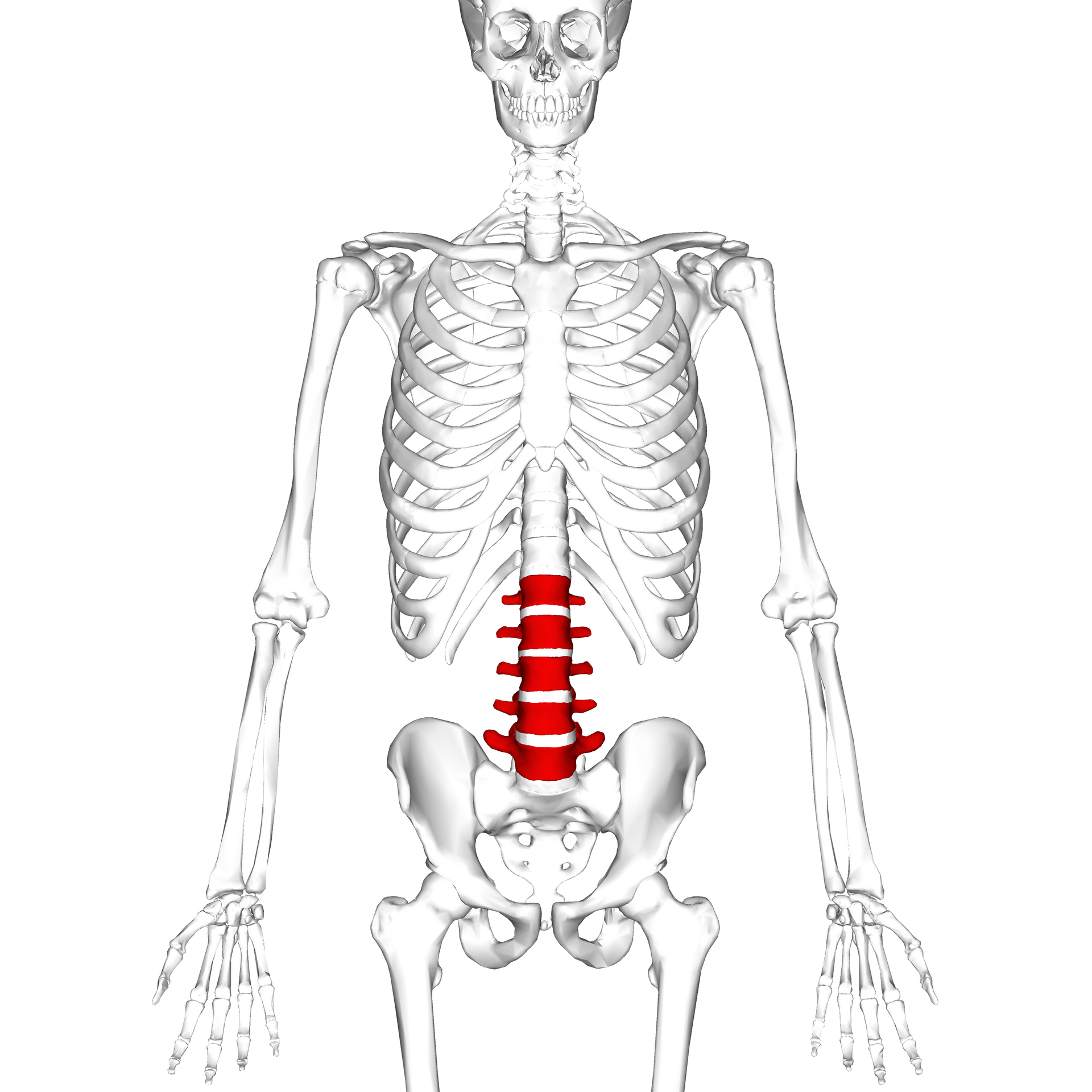
Photo · Anatomography · Wikimedia Commons
Journal
Understanding Spine Fusion Coding: Insights from The Alignment Clinic
At The Alignment Clinic, we specialize in spine fusion coding, a critical aspect of spine surgery. This article explores recent research findings on coding accuracy, complications, and patient outcomes in spine fusion procedures, particularly for older adults and those with specific health conditions.

The Alignment Clinic and this problem
At The Alignment Clinic, we specialize in spine fusion coding, which is essential for accurately documenting surgical procedures and understanding patient outcomes. Spine fusion surgeries are performed for various conditions, including spinal deformities and spondylolisthesis, and coding these procedures correctly is vital for both clinical and administrative purposes. Accurate coding ensures appropriate patient care and helps in analyzing surgical outcomes, particularly in older adults who may face unique risks during surgery. Understanding the intricacies of coding is crucial for optimizing patient management and resource allocation in spine surgery.
What the researchers studied
Recent studies have examined the trends and implications of coding practices in spine surgery. For instance, research published in the *Journal* in 2017 by Sing et al. focused on the increase in spinal deformity surgeries among patients aged 60 and older, analyzing complications and hospital charges associated with these procedures. Another study published in the *Journal* in 2018 by McLynn et al. investigated the accuracy of International Classification of Diseases (ICD) coding for obesity and how inaccuracies might skew research outcomes in spine surgery. Additionally, research from 2021 by Elsamadicy et al. explored the effects of preoperative nutritional status on complications following lumbar fusion for spondylolisthesis.
What they found
The findings from these studies highlight several critical points. Sing et al. (2017) found that while the number of spinal deformity surgeries in older adults increased significantly, this rise was not accompanied by a corresponding increase in complications. This suggests that age alone may not be a prohibitive factor in undergoing such surgeries. Conversely, McLynn et al. (2018) revealed that inaccuracies in coding for obesity could lead to an overestimation of its impact on surgical outcomes, potentially biasing the results of administrative database studies. Furthermore, Elsamadicy et al. (2021) demonstrated that malnutrition is associated with higher rates of complications and longer hospital stays in patients undergoing spine surgery, emphasizing the importance of assessing nutritional status preoperatively.
How The Alignment Clinic approaches this
At The Alignment Clinic, we prioritize accurate coding and comprehensive patient assessments to enhance surgical outcomes. Our team understands that proper documentation is essential for understanding patient demographics and potential complications. We take into account factors such as age, nutritional status, and comorbidities when planning and executing spine fusion surgeries. By focusing on these elements, we aim to minimize complications and improve recovery times for our patients. Our commitment to thorough preoperative evaluations ensures that we address any potential risks before surgery, aligning with findings from recent studies.
What a visit can clarify
A visit to The Alignment Clinic can provide clarity on the coding process and its implications for your spine surgery. Our specialists will discuss your specific condition, the surgical options available, and the importance of accurate coding in your treatment plan. We will also assess your overall health, including nutritional status and any other factors that may influence your surgical outcomes. Understanding these elements can empower you to make informed decisions about your care.
This note is general information and is not a personal treatment plan.
Read next
The papers behind this note
- JJournal · 2017Increase in spinal deformity surgery in patients age 60 and older is not associated with increased complications.
- JJournal · 2018Inaccuracies in ICD Coding for Obesity Would Be Expected to Bias Administrative Database Spine Studies Toward Overestimating the Impact of Obesity on Perioperative Adverse Outcomes.
- JJournal · 2021Effects of preoperative nutritional status on complications and readmissions after posterior lumbar decompression and fusion for spondylolisthesis: A propensity-score analysis.
- JJournal · 2018The association of inflammatory bowel disease and immediate postoperative outcomes following lumbar fusion.
- JJournal · 2021Impact of race on outcomes and healthcare utilization following spinal fusion for adolescent idiopathic scoliosis.